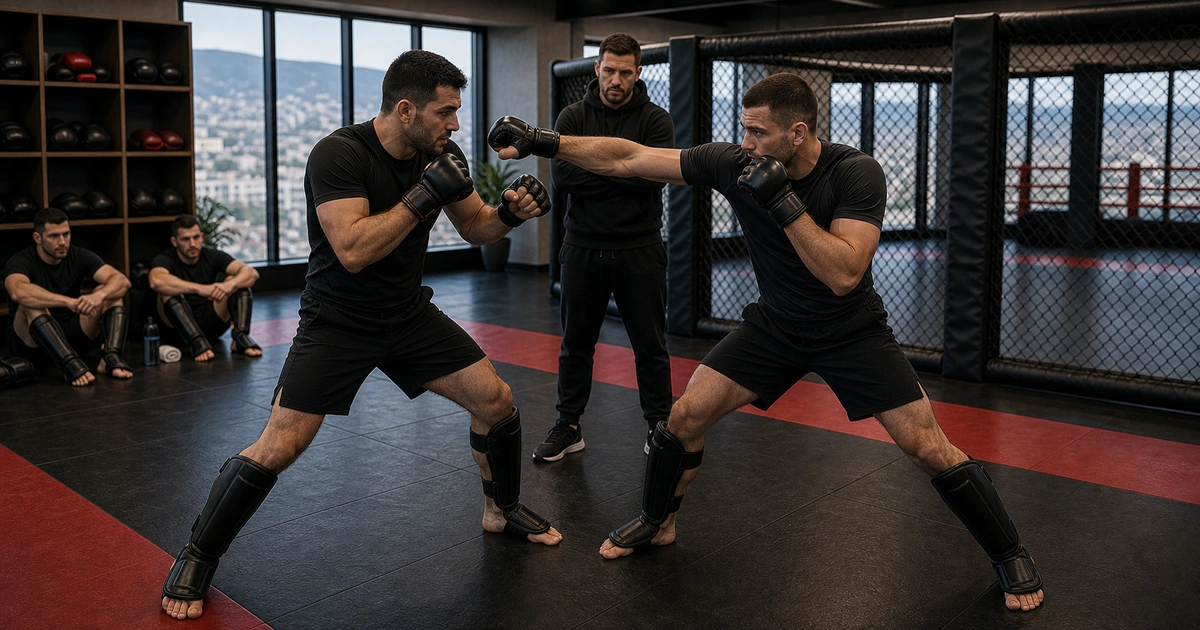
MMA Fighter Preparation Guide
Planning an MMA Sparring Camp for Competition Preparation
Use a due-diligence checklist when requesting MMA sparring or fight-preparation work in Georgia; no coach, partner, intensity, or outcome is promised.
Planning note: generated dates, example schedules, prices, packages, inclusions, coach assignments and availability are not live inventory or a binding offer. Obtain a written final offer before paying or booking travel. Guide images are illustrative or archive media, and no selection, safety, training or performance outcome is promised.
Quick answer
A good MMA sparring camp should combine controlled rounds, technical drilling, wrestling and grappling, striking, conditioning, and recovery.
Georgia is strongest for fighters who want serious mat time, combat-sport depth, and a structured environment rather than random open sparring.
Fighters should send level, competition date, weight class, and camp goals before booking. Health data should be shared only through an appropriate private channel provided by the team, not the general inquiry notes.
Camp focus
Controlled fighter preparation
Facility
Mats, octagon, striking zones
Training depth
Striking, wrestling, grappling
Media boundary
Published footage is archive context, not a coach assignment
What fighter-prep camp should accomplish
A fighter-prep camp should make the athlete more prepared, not simply more tired. The goal is sharper decision-making under MMA conditions.
That means striking work, wrestling entries, defensive reactions, cage or octagon habits, grappling transitions, conditioning, and recovery all need to support the same competition goal.
The camp can be valuable for fighters who need fresh training partners, a focused block away from routine distractions, or deeper work in grappling and wrestling exchanges.
It should not be treated as a place to arrive injured, spar recklessly, and hope volume solves the problem.
Use the first 48 hours for assessment
The first two days should calibrate intensity. Coaches and partners need to see how you move, how you defend, how you respond to pressure, and whether your stated goals match your current condition.
Arriving fighters often want to prove they belong immediately. That is understandable, but it can waste the most useful part of camp.
A smarter opening is controlled drilling, technical sparring, positional work, and honest feedback about injuries or limitations.
Once the room understands your level and goals, harder work can be placed more intelligently.
Sparring structure that actually helps
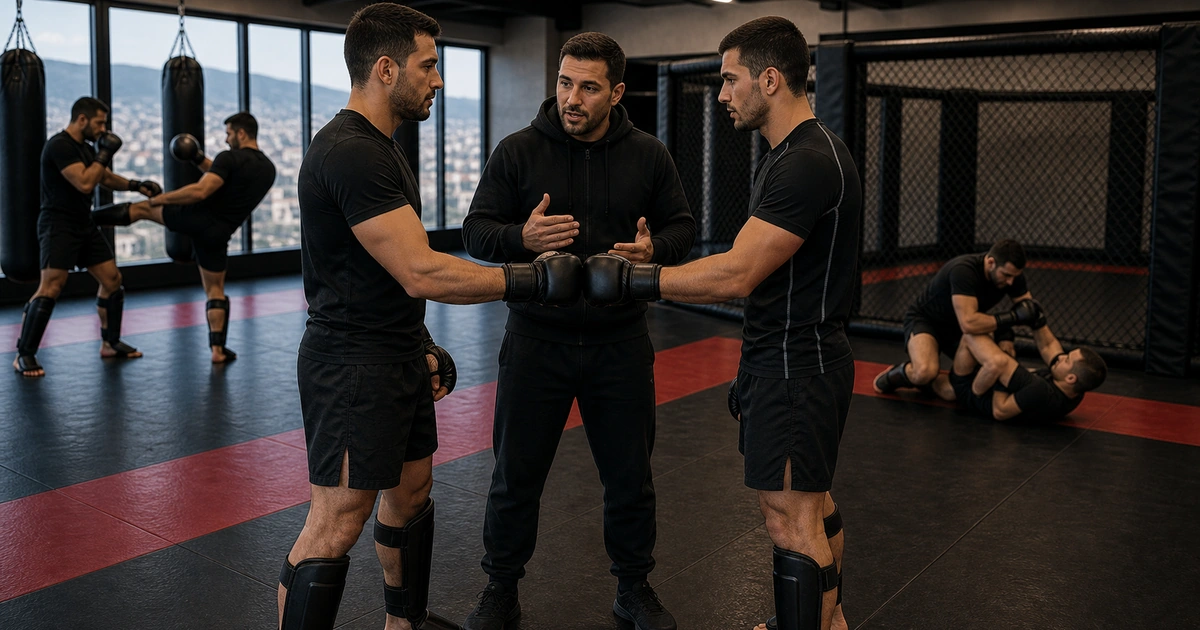
Useful sparring is not one thing. A fighter may need technical rounds to clean habits, situational rounds to solve specific positions, and harder rounds only when the timing is right.
Examples include defending takedowns after striking exchanges, escaping bottom control with strikes in mind, entering clinch safely, or finishing combinations without exposing hips.
The best sparring rounds have a purpose. They answer a question from the fight plan or expose a weakness that can be trained afterward.
Random hard rounds can build confidence, but they can also hide poor decision-making behind adrenaline. Fight preparation needs more precision than that.
Wrestling, judo, and grappling integration
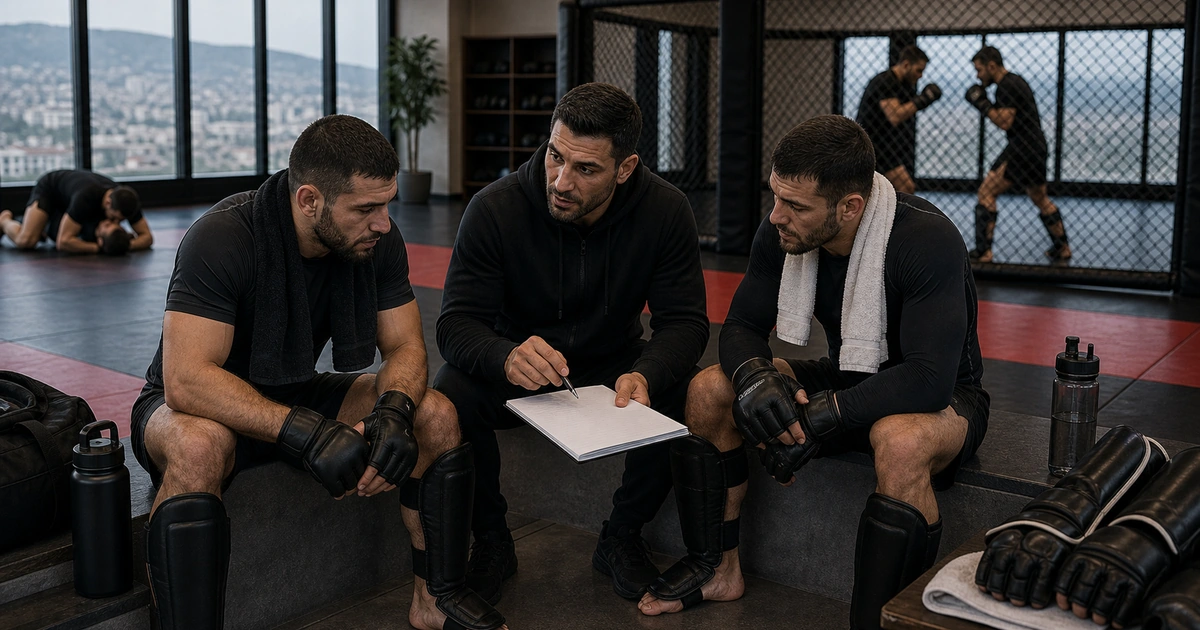
Georgia has a deep combat-sport culture, and MMA athletes can benefit when wrestling, judo, and grappling are connected to striking rather than trained as isolated sports.
Fighters should think about entries, clinch control, trips, scrambles, top pressure, wall habits, and how to strike before and after grappling exchanges.
Pure grappling success is not enough. The question is whether the position survives under MMA rules, fatigue, and the threat of strikes.
This is where a focused camp can help: the same technical correction can be revisited across striking, wrestling, and ground work instead of living in separate sessions.
See alsoWrestling Camp GeorgiaJudo Camp Georgia
What to send before booking
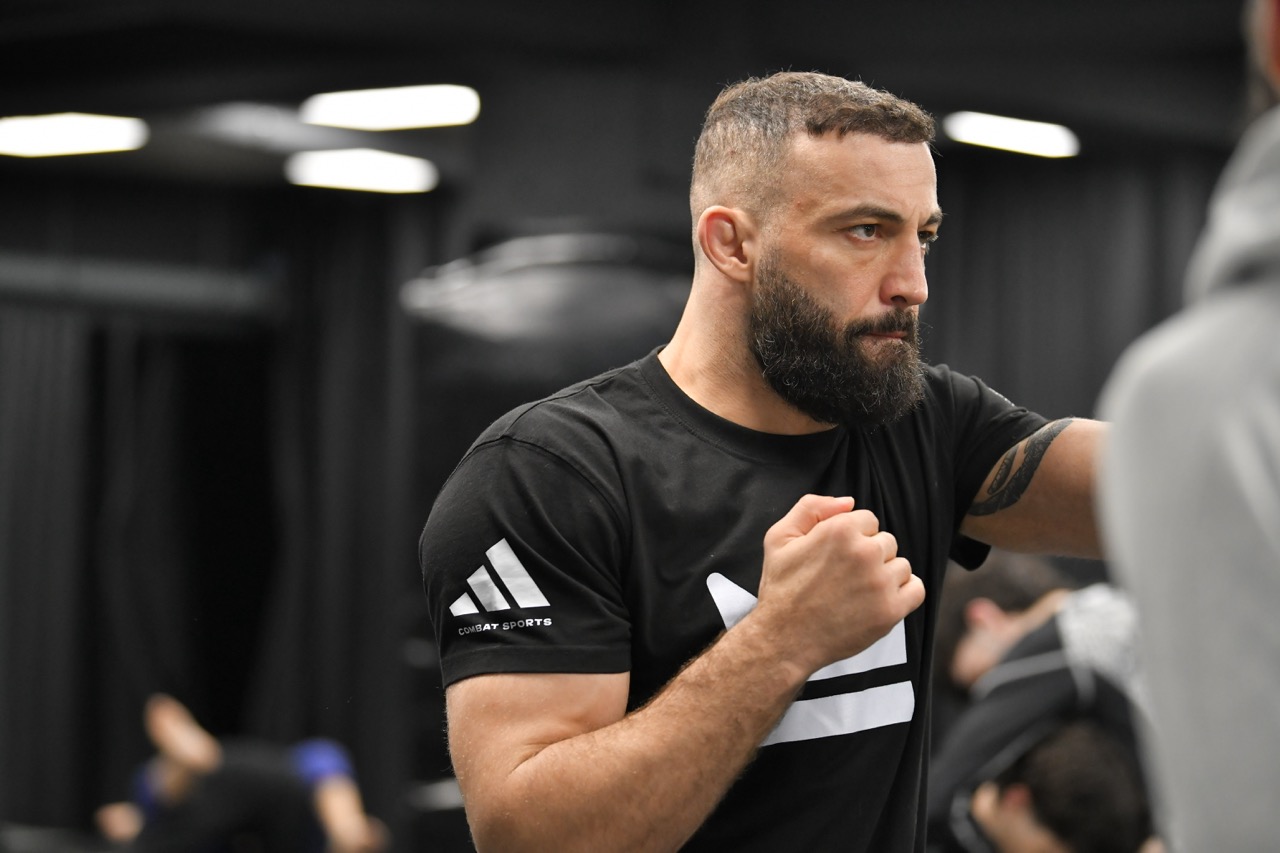
Fighters should send more detail than a normal camp inquiry. Include your record if relevant, competition date, weight class, current gym, training frequency, sparring level, and the main problems you want to solve. Ask for an appropriate private channel for any relevant health data.
If a coach is sending athletes, include the number of fighters, levels, goals, and room preferences.
Be direct about whether you need hard sparring, technical rounds, wrestling focus, conditioning, or recovery support. The more specific the request, the easier it is to assess fit.
A Bed & Breakfast + Hotel private room can be considered by fighters who want fewer distractions and tighter sleep control. Only breakfast is included; lunch and dinner remain self-arranged.
Send a serious fighter-prep inquiry
Include your competition timeline, level, goals, and preferred dates. Do not put health data in the form notes; ask for an appropriate private channel if needed.
Request fighter-prep availabilityRelated Guides
Ready to request a written camp proposal?
Choose a preferred planning date and configuration, then send your level and travel preferences. Wait for written dates, availability, coaches, timetable, inclusions, price and terms before booking travel.
Camp Planning FAQ
Is MMA Camp Georgia a hard sparring camp?
It can support fighter-prep work, but sparring intensity should be controlled by level, goals, safety, and coach guidance.
What should fighters send before booking?
Send your level, fight date, weight class, training background, sparring needs, and specific goals. Ask how to share relevant health data privately.
Is 14 days better for fight preparation?
Often yes, especially when the schedule allows adaptation and recovery. The right choice depends on the fight date and current training load.
Can a coach bring a group of fighters?
Coaches can inquire for groups or teams and should include athlete count, levels, dates, room preferences, and training goals.