MMA Camp Packing Guide
What to Bring to MMA Camp Georgia
Pack for MMA Camp Georgia with a practical list for gloves, rashguards, grappling gear, recovery, documents, travel, and Tbilisi weather.
Planning note: generated dates, example schedules, prices, packages, inclusions, coach assignments and availability are not live inventory or a binding offer. Obtain a written final offer before paying or booking travel. Guide images are illustrative or archive media, and no selection, safety, training or performance outcome is promised.
Quick answer
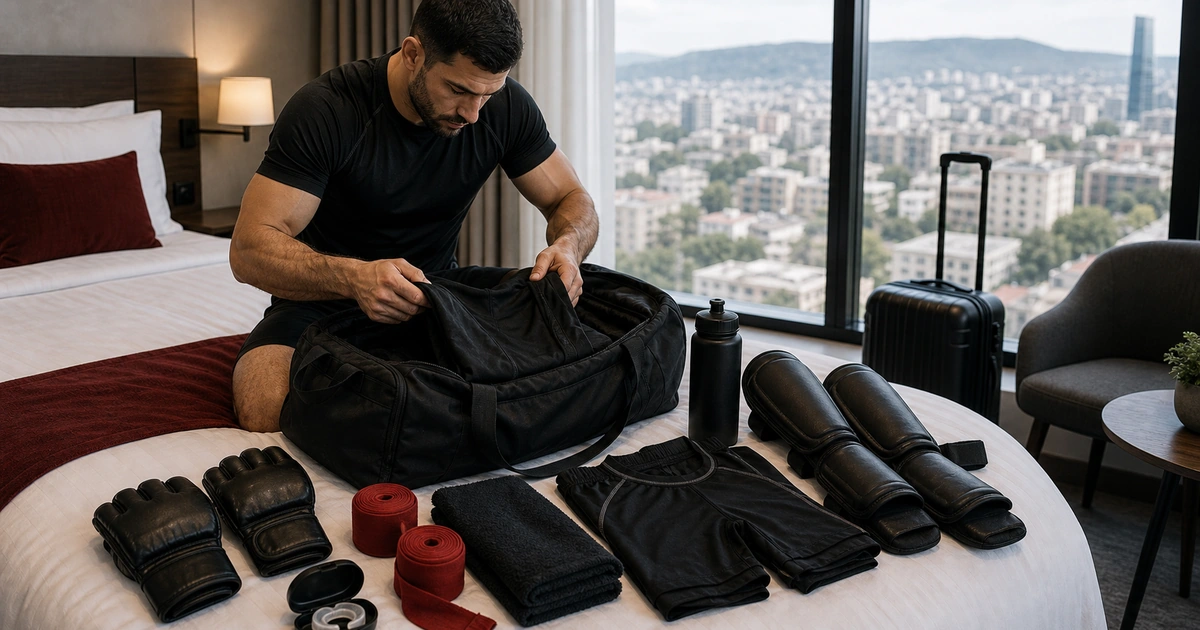
Bring MMA gloves, shin guards, mouthguard, rashguards, shorts, grappling gear if you use it, and enough clean training clothes for daily sessions.
Also pack personal recovery items, travel documents, medication, insurance details, wraps, tape, electrolytes, and weather-appropriate clothing for Tbilisi.
Do not overpack bulky extras. Prioritize gear that protects you, keeps you clean, and helps you recover between sessions.
Core gear
Gloves, shin guards, mouthguard
Daily need
Clean training clothes
Recovery
Tape, wraps, electrolytes
Travel
Passport, insurance, medication
Quick packing checklist
Pack for a real training week: MMA gloves, boxing gloves if you use your own, shin guards, mouthguard, hand wraps, rashguards, shorts, compression layers, and grappling gear if it is part of your normal training.
Add enough clean training clothes for repeated sessions, a laundry plan, sandals or slides, a water bottle, toiletries, nail clippers, towel, and a simple recovery kit.
For travel, pack passport, insurance details, medication, payment cards, charger, adapter if needed, and copies of important documents.
Essential training gear
A mouthguard is non-negotiable for contact work. Bring one that already fits rather than expecting to solve it after arrival.
Bring shin guards suitable for MMA or kickboxing drills, gloves you trust, hand wraps, and training clothes that dry reasonably fast.
Rashguards and fitted tops are useful for grappling because loose cotton can stretch, hold sweat, and become uncomfortable across multiple sessions.
If you already use knee sleeves, ankle supports, groin protection, or specific tape, bring them. Familiar protective gear is better than scrambling for substitutes mid-camp.
See alsoKrivi combat sports gear
Nice-to-have gear by training style
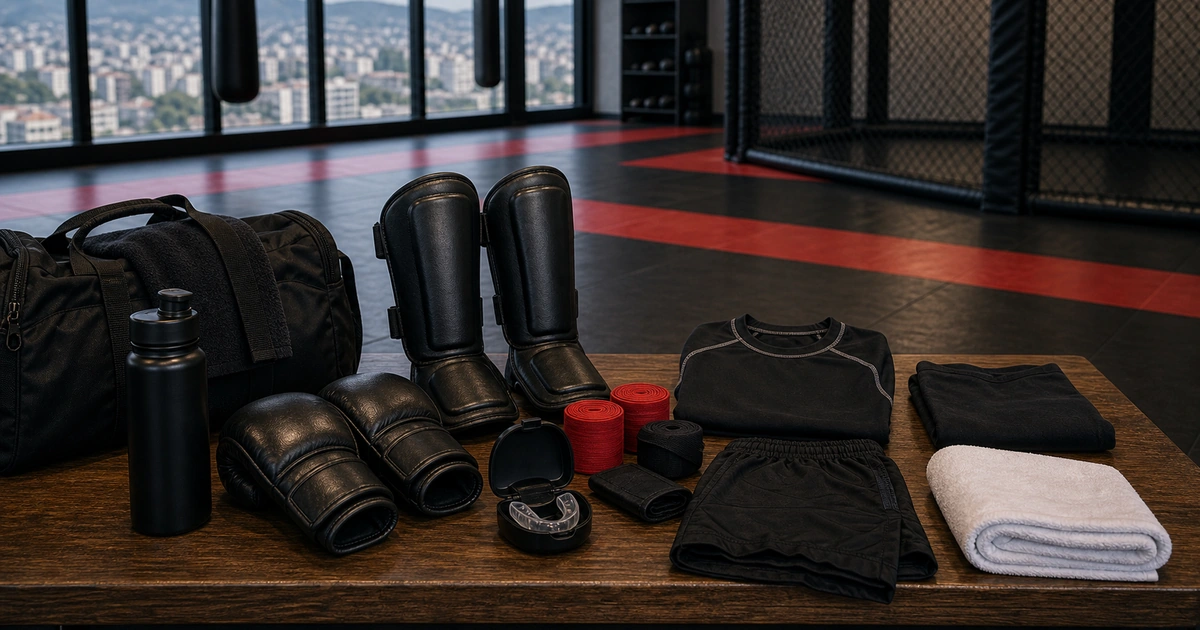
Striking-focused athletes may want their preferred boxing gloves, extra wraps, ankle supports, and a small towel for pad rounds.
Grappling-focused athletes may want spats, rashguards, knee pads, finger tape, and any no-gi gear they normally trust.
Fighters may pack additional protective gear, recovery tools, and a notebook for technical feedback.
Beginners should keep it simple. Good basics, clean clothing, and coachability matter more than arriving with every possible accessory.
Clothing and laundry for 7 vs 14 days
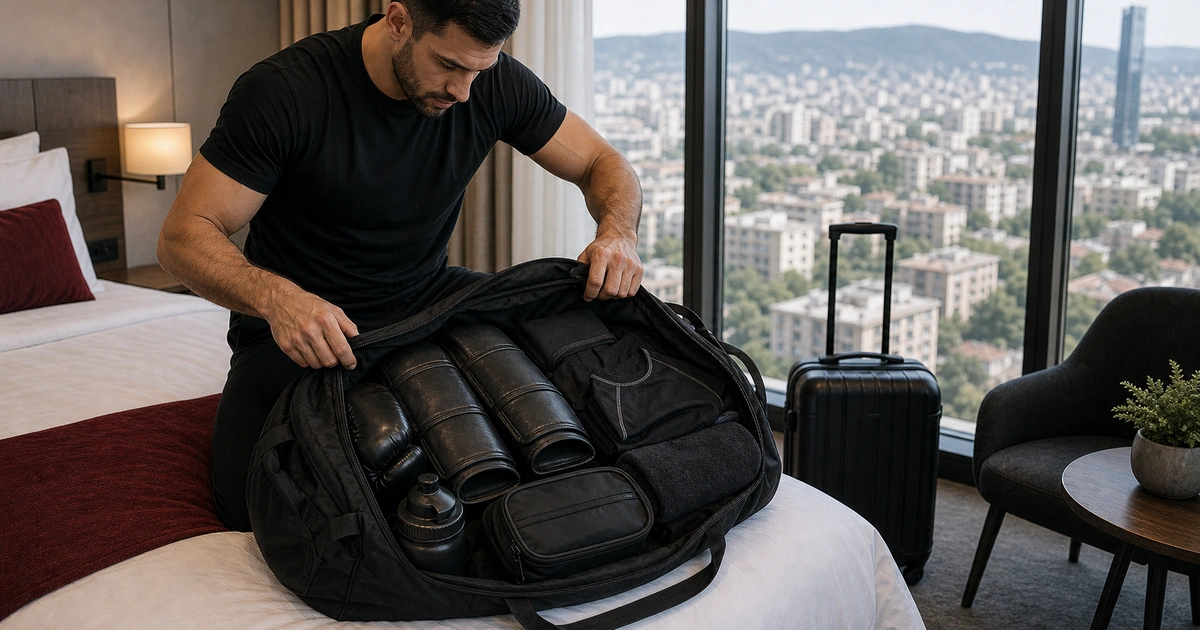
For 7 days, pack enough training clothes to avoid reusing soaked gear without washing. For 14 days, a laundry plan becomes essential.
Bring casual clothes for meals, city walks, and recovery time, but avoid turning the suitcase into a wardrobe project.
Tbilisi weather varies by season, so check the forecast before departure. Pack layers for cooler months and breathable clothing for warmer months.
Slides or easy shoes are useful between sessions, especially when your feet and legs are tired.
Documents, medication, and recovery items
Do the serious travel packing first: passport, visa documents if required for your passport, insurance, medication, prescriptions, emergency contacts, and payment backup.
For recovery, bring tape, wraps, electrolytes, any personal supplements you already tolerate, basic first aid, and toiletries that keep skin clean after grappling.
If you have asthma, allergies, previous concussions, joint issues, or medication needs, prepare the relevant information and ask the team for an appropriate private channel before sharing it. Do not put health data in the general inquiry notes.
This is not dramatic. It is how you keep a hard training week from being derailed by preventable problems.
What not to overpack
Do not overpack bulky equipment you rarely use at home. If an item has not earned a place in your normal training bag, it probably does not need to fly with you.
Avoid brand-new gear that has never been tested. New gloves, shin guards, shoes, or mouthguards can create small irritations that feel much bigger across daily sessions.
Pack clean, practical, replaceable items. Save suitcase space for the things that protect training: hygiene, recovery, documents, and trusted gear.
Ask before you pack around assumptions
If you are unsure about gear for your level, mention it in the availability form along with your background and training goals.
Request availabilityRelated Guides
Ready to request a written camp proposal?
Choose a preferred planning date and configuration, then send your level and travel preferences. Wait for written dates, availability, coaches, timetable, inclusions, price and terms before booking travel.
Camp Planning FAQ
Do I need my own MMA gloves?
Bring your own gloves if you have them. Familiar gear is more comfortable and reliable during repeated sessions.
Should beginners bring full sparring gear?
Beginners should bring the basics: mouthguard, shin guards, gloves, wraps, rashguards, shorts, and clean training clothes. Ask about anything level-specific before arrival.
How many training outfits should I pack?
Pack for daily sessions and plan laundry, especially for 14 days. Avoid reusing soaked gear without washing.
What documents should I bring?
Bring passport, visa documents if required for your passport, insurance details, medication information, payment cards, and copies of important documents.