Beginner MMA Camp Guide
Is MMA Camp Georgia Good for Beginners?
Learn whether MMA Camp Georgia fits beginners, what training intensity to expect, what gear to bring, and when to choose a different camp.
Planning note: generated dates, example schedules, prices, packages, inclusions, coach assignments and availability are not live inventory or a binding offer. Obtain a written final offer before paying or booking travel. Guide images are illustrative or archive media, and no selection, safety, training or performance outcome is promised.
Quick answer
This page does not promise beginner suitability. Share your experience, fitness, and non-sensitive training limits so fit can be assessed; ask for a private channel for any relevant health data.
Any accepted beginner needs written confirmation of the timetable, coaching plan, contact intensity, required gear, and safety expectations.
Do not assume a generated date, example schedule, or general MMA description means that a beginner place is available.
Beginner fit
Individual assessment required
Training rhythm
Written timetable required
Main focus
Technique before ego
Best prep
4 weeks of baseline fitness
The honest beginner answer
A beginner can have a strong MMA camp experience, but only if the goal is serious learning rather than a vacation with a few workouts attached.
Good beginners are coachable, realistic, and willing to move at controlled intensity while they build the basics. They do not need to be advanced fighters, but they do need to respect the training room.
If you have never trained any combat sport, have poor baseline fitness, or are currently managing an injury you have not discussed, the smarter move may be to prepare first and come later.
If you have some boxing, kickboxing, wrestling, BJJ, judo, or general fitness experience, a 7-day module can be a useful first serious MMA block.
What daily sessions feel like
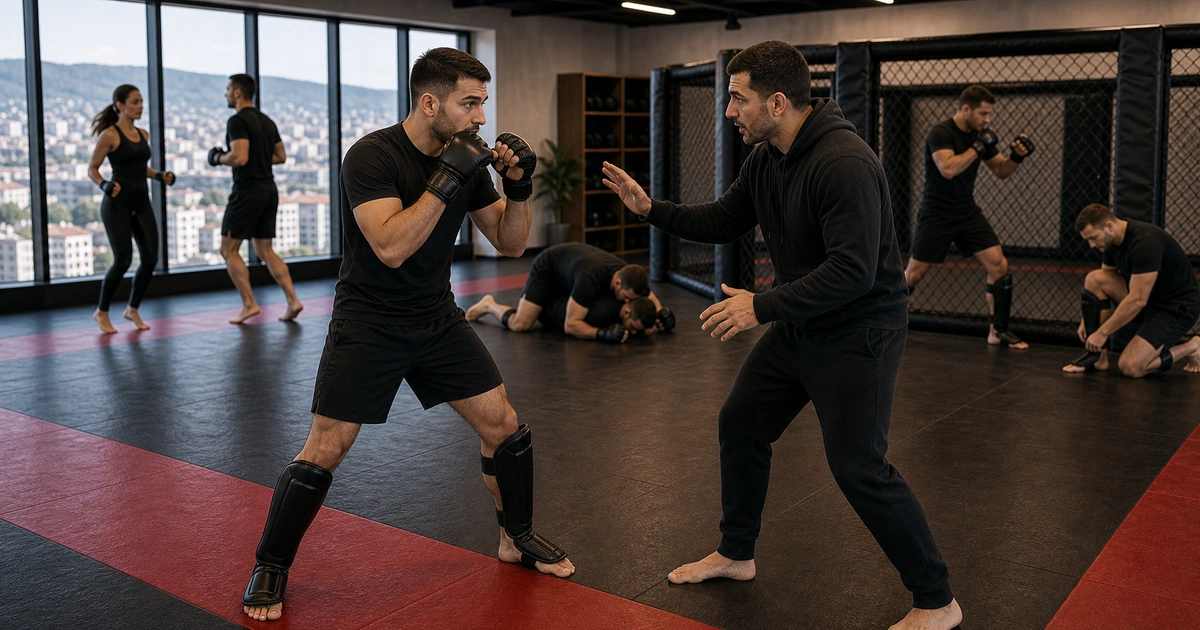
The site shows an illustrative schedule only. The written final offer must confirm the actual timetable, coaches, group, and contact intensity.
For beginners, the challenge is not only physical. You are learning vocabulary, positions, movement patterns, partner etiquette, and how to stay calm when a drill feels unfamiliar.
The best approach is to train with attention instead of panic. Ask what the drill is trying to teach, keep intensity controlled, and tell coaches early if you are confused or overloaded.
You should expect fatigue, but fatigue should not become chaos. A good beginner camp is hard enough to demand focus and controlled enough to keep learning possible.
Technical areas beginners will meet
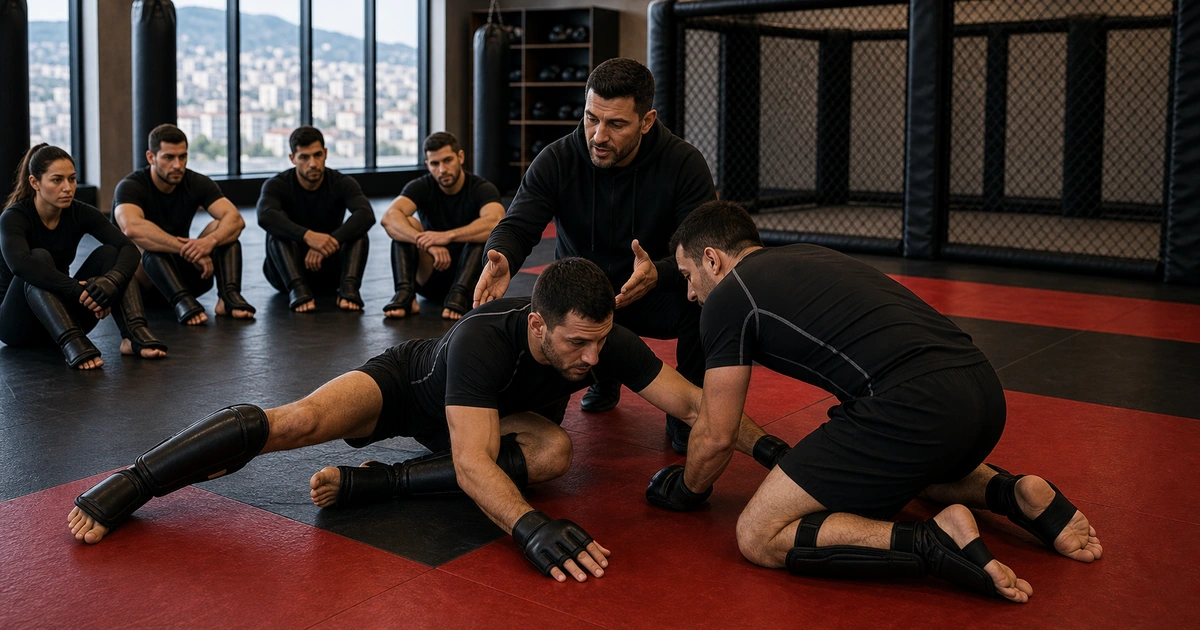
MMA combines striking, grappling, clinch work, wrestling, conditioning, and transitions between them. Beginners should not expect to master everything in one trip.
You may work on stance, guard, basic punches and kicks, takedown awareness, top and bottom control, wall or cage habits, and how striking changes when takedowns are possible.
The important beginner skill is connection: seeing how one area changes the next. A boxing stance may need adjustment for wrestling. A BJJ habit may need adjustment when strikes are involved.
That is why a camp can be valuable even if you leave with a short list of corrections rather than a highlight reel of new techniques.
Safety, sparring, and boundaries
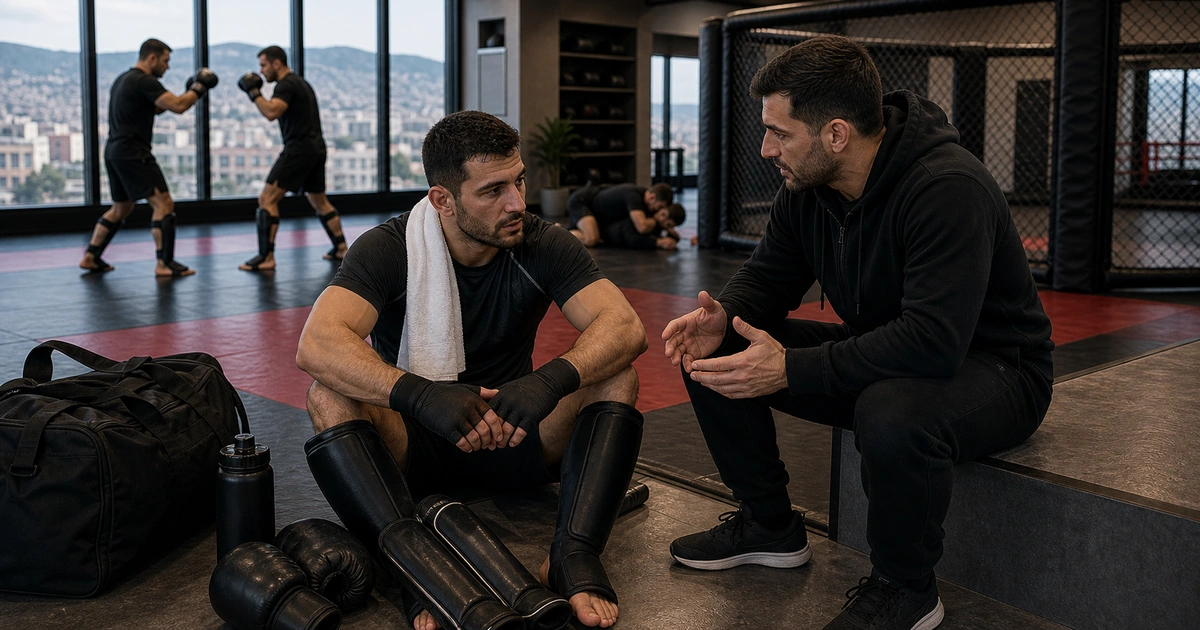
Beginners should treat sparring as a coaching decision, not a personal milestone. Controlled partner work, situational rounds, and technical constraints can teach more than hard sparring too early.
If you are new, say so clearly and ask how any relevant training limitation should be discussed privately. Do not put injury, concussion, medication, or other health data in the general inquiry notes.
Good training partners can adjust when they know what they are working with. Guessing helps nobody.
The beginner goal is simple: stay healthy enough to train the whole week, learn the positions, and leave with clearer next steps.
How to prepare four weeks before arrival
Build a simple base: steady cardio, bodyweight strength, mobility, and enough sleep to handle daily training.
If you already train, arrive consistent rather than destroyed. The month before camp is not the time to injure yourself proving you are ready.
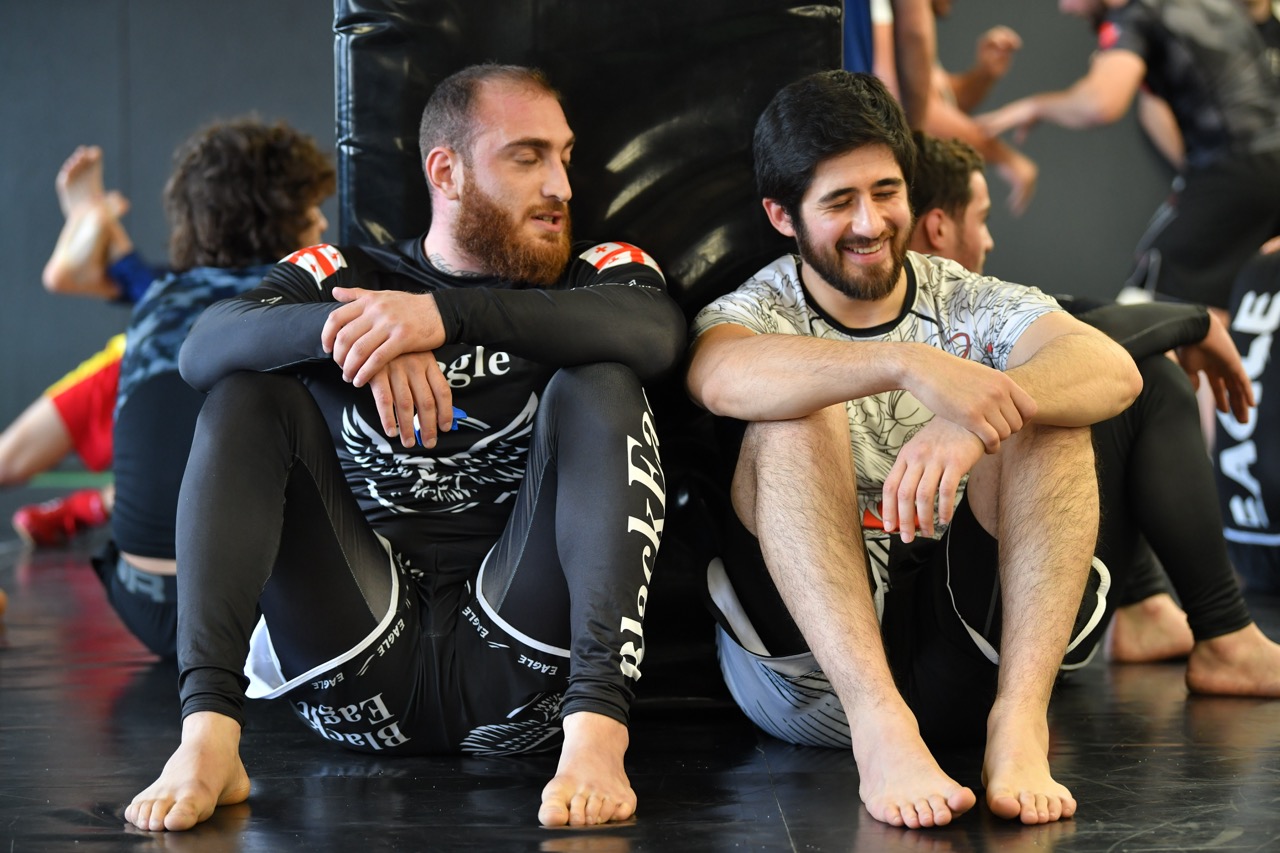
Pack the basics early: mouthguard, shin guards, gloves, rashguards, shorts, tape, wraps, and enough training clothes for repeated sessions.
When requesting availability, explain your level in plain terms: how long you have trained, which sports, how often, whether you spar, and what you want to improve.
Use the form to set expectations
Tell the team you are a beginner and list your training background. Do not put health data in the form notes; ask for an appropriate private channel if needed.
Request availabilityRelated Guides
Ready to request a written camp proposal?
Choose a preferred planning date and configuration, then send your level and travel preferences. Wait for written dates, availability, coaches, timetable, inclusions, price and terms before booking travel.
Camp Planning FAQ
Can a complete beginner join MMA Camp Georgia?
Possibly, after an individual fit check. Share your exact background and obtain written confirmation before paying or booking travel.
Will beginners have to spar hard?
Beginners should not treat hard sparring as automatic. Intensity depends on coach guidance, safety, level, and the training plan.
What should beginners prepare before camp?
Prepare baseline fitness, basic gear, recovery habits, and a clear explanation of your training history and goals.
Is 7 days or 14 days better for beginners?
Most first-time camp visitors should consider 7 days first unless they already train consistently and recover well.